

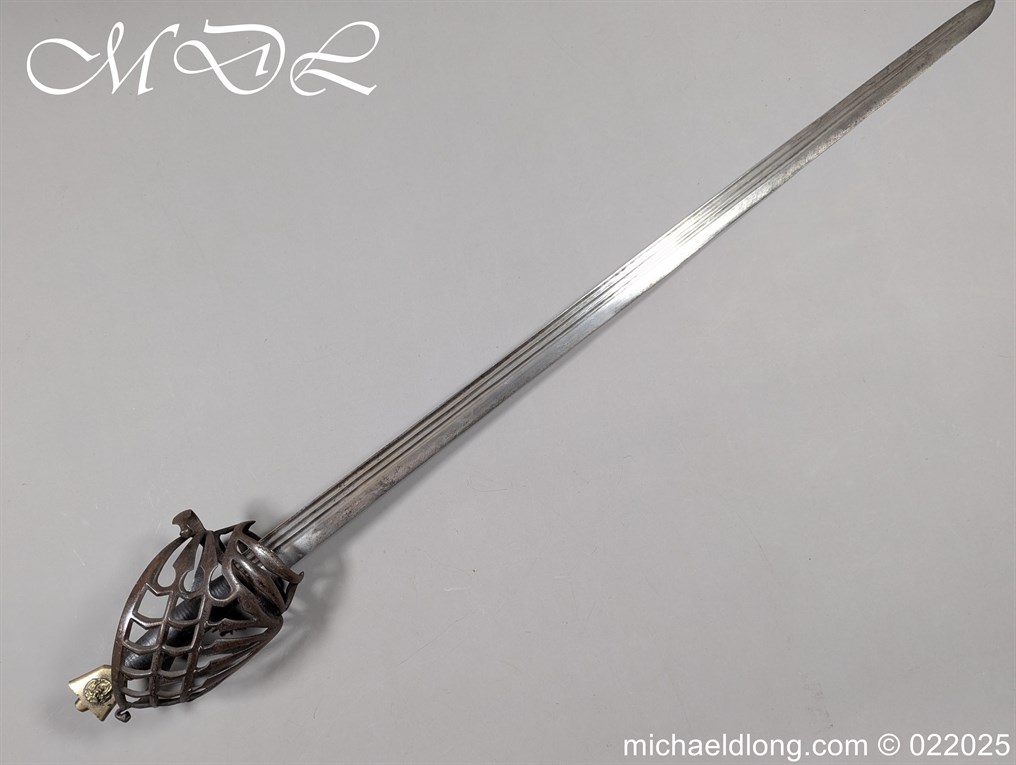
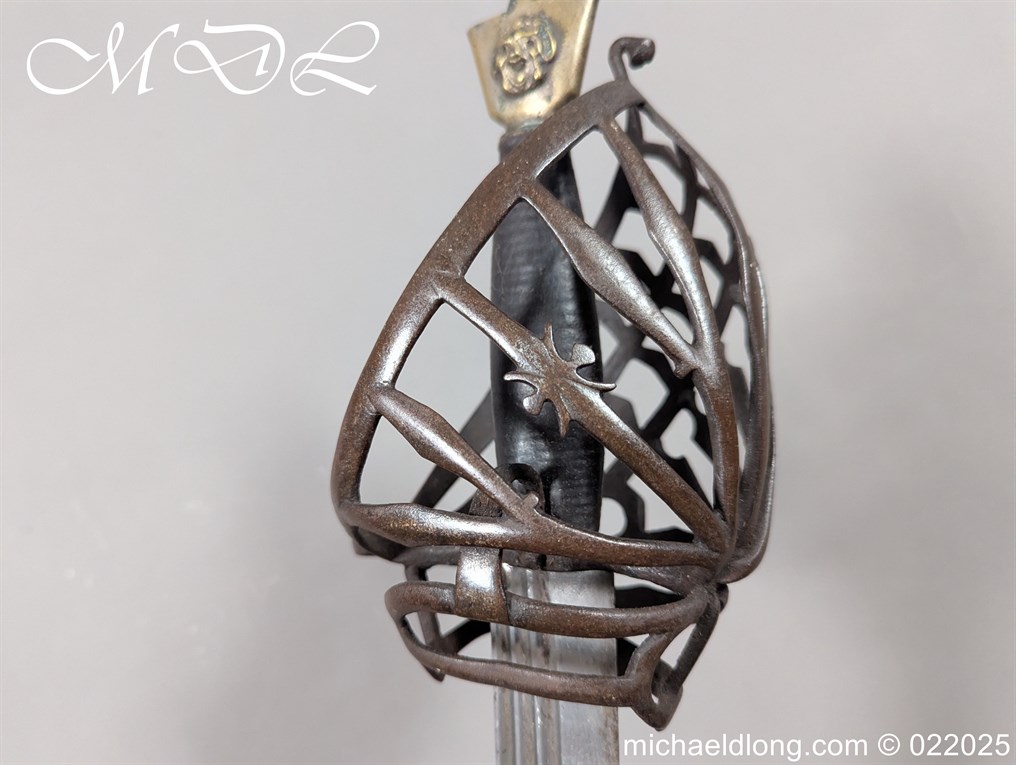
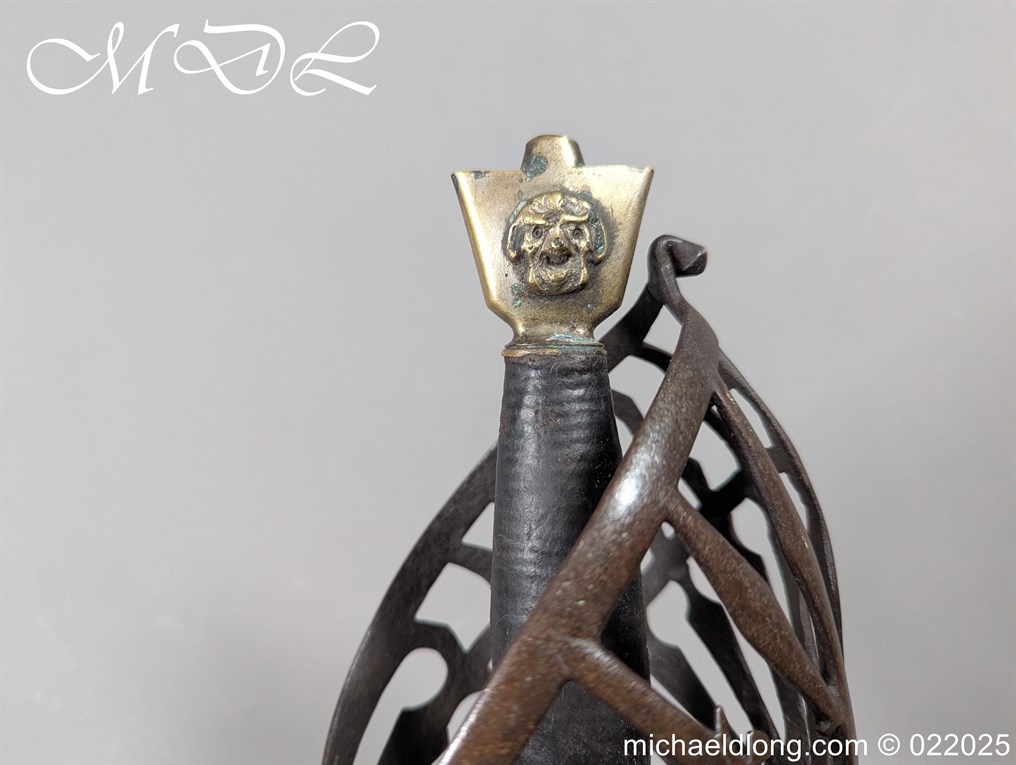
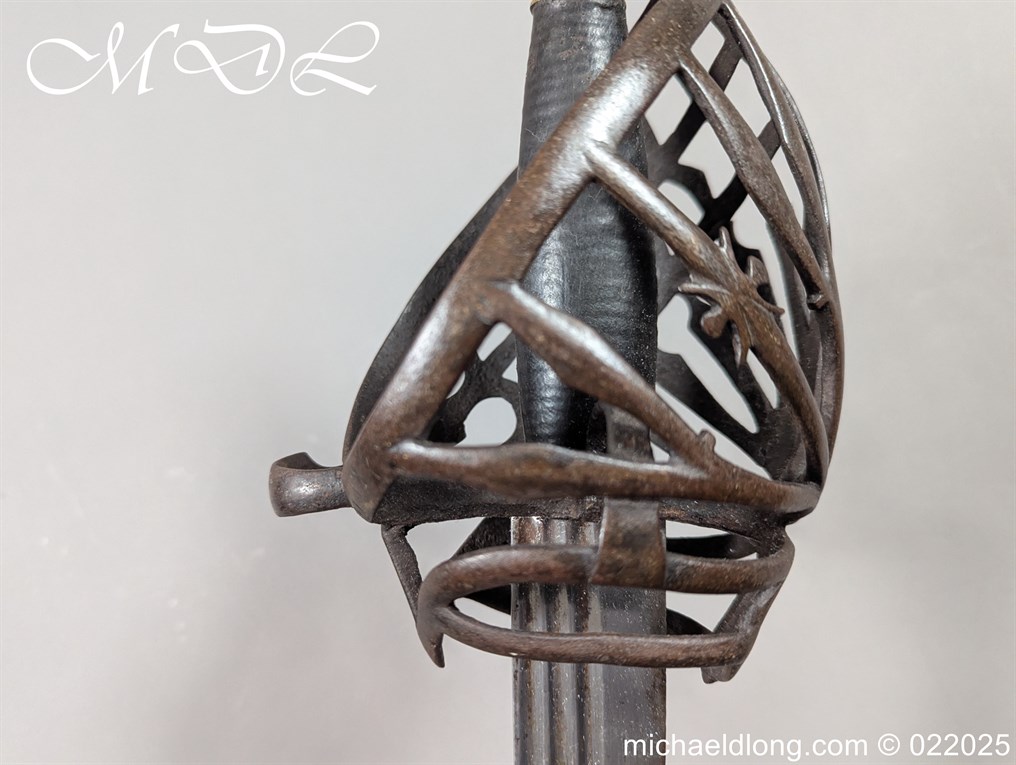
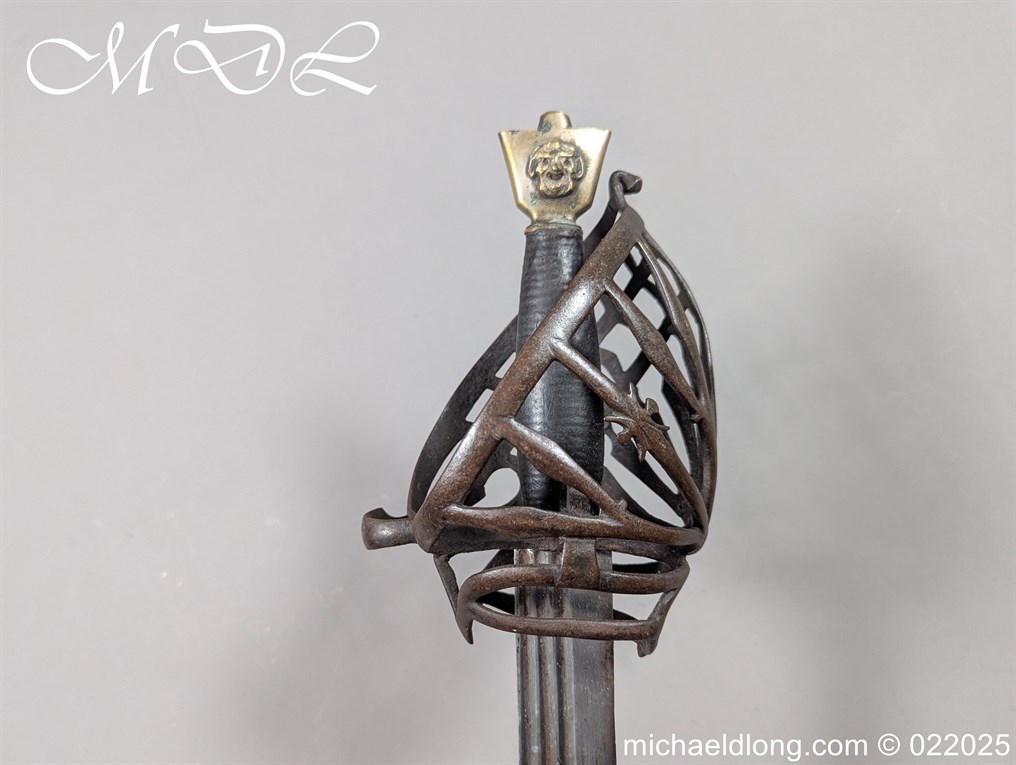
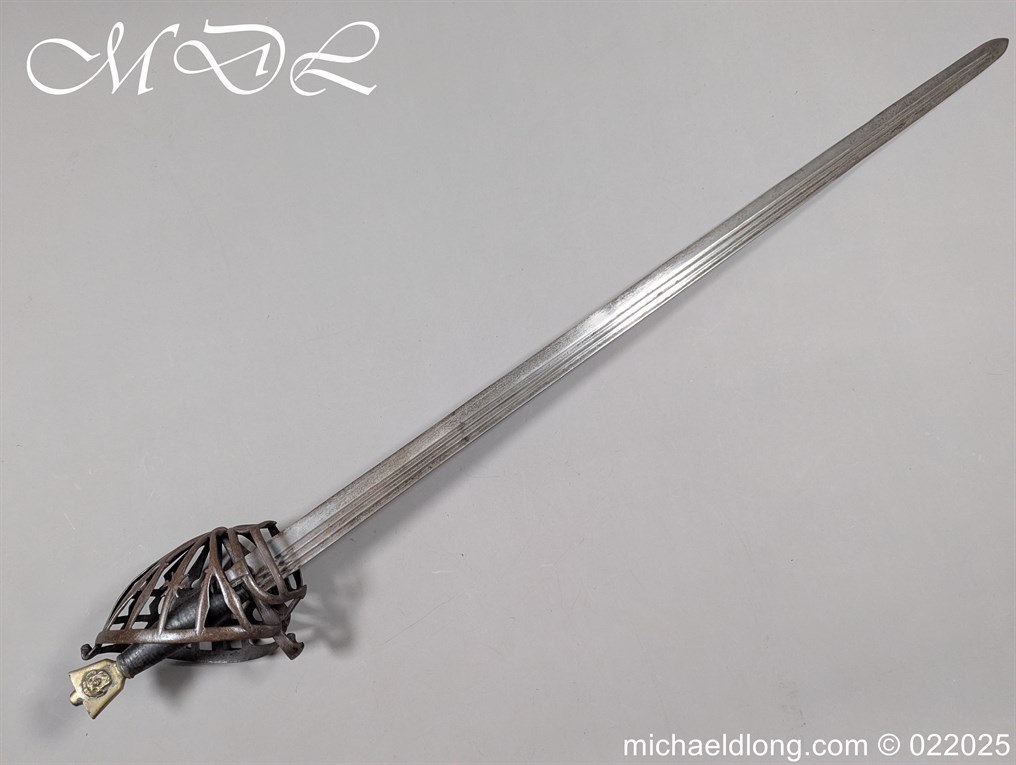

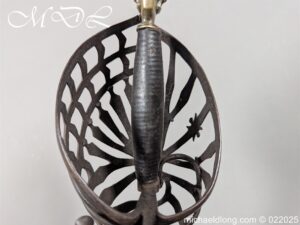
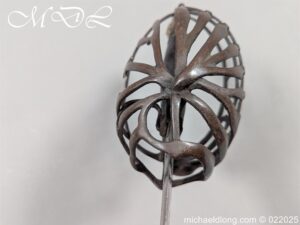
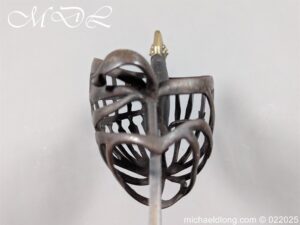
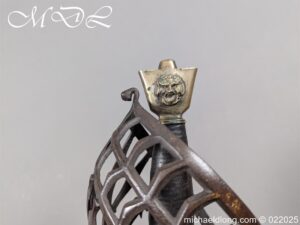
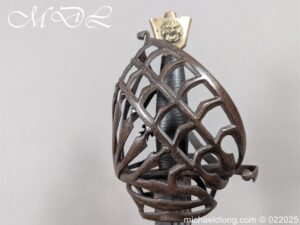
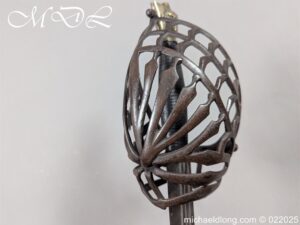
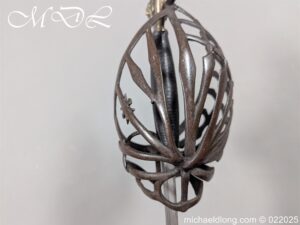
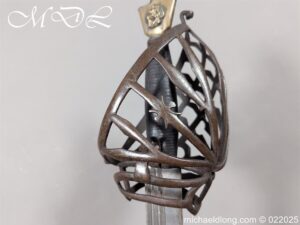
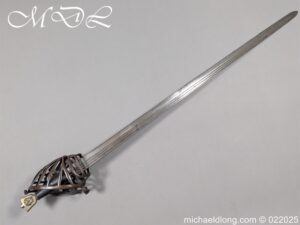
Venetian Schiavona c 1760

£3,850.00
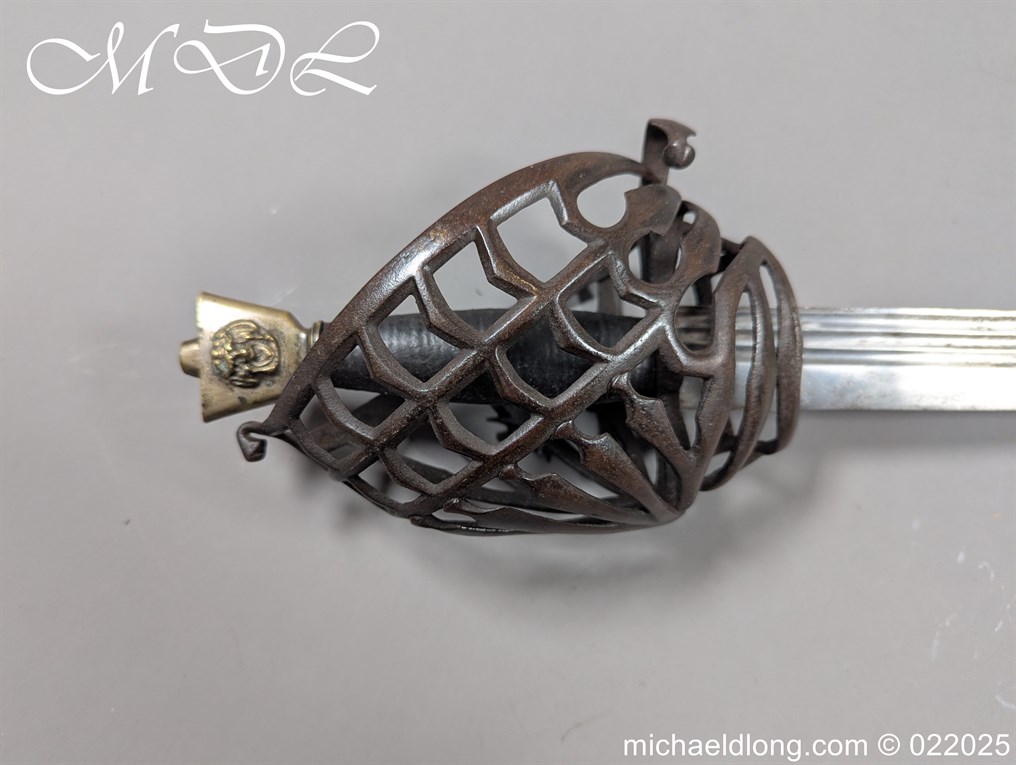
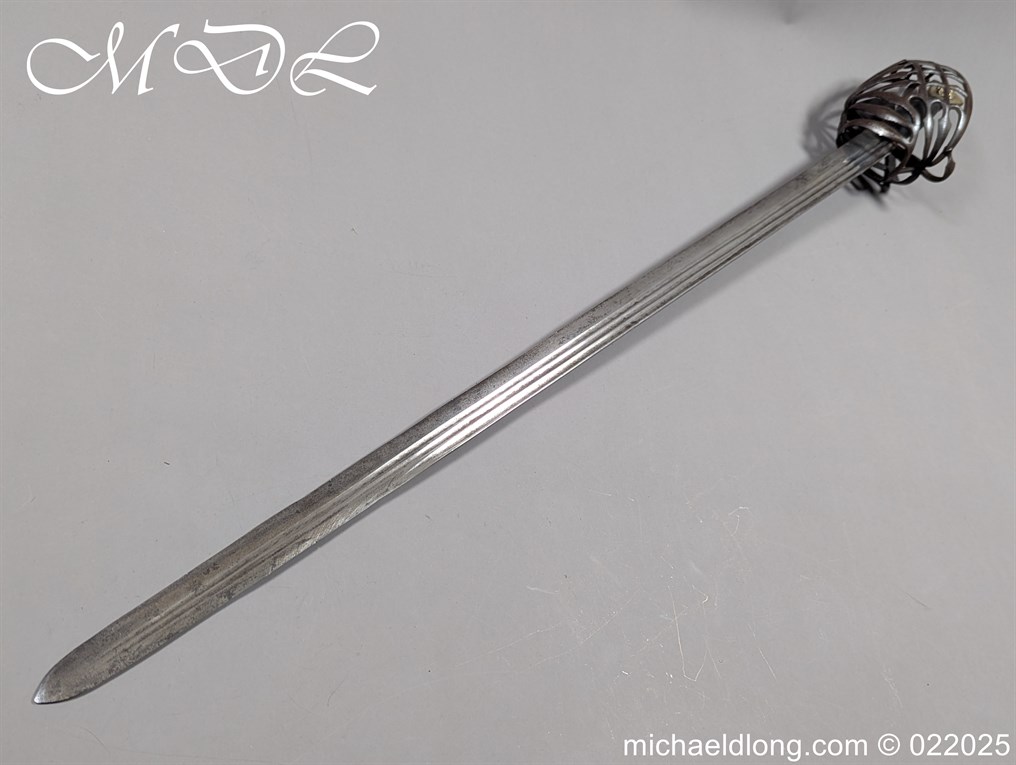
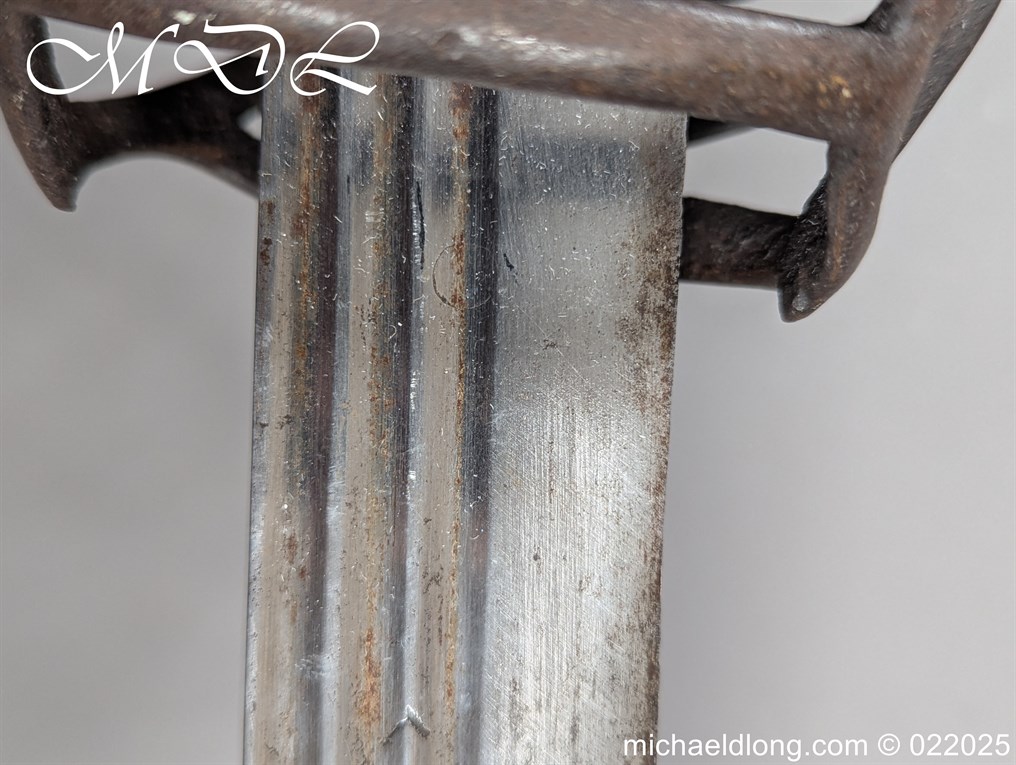
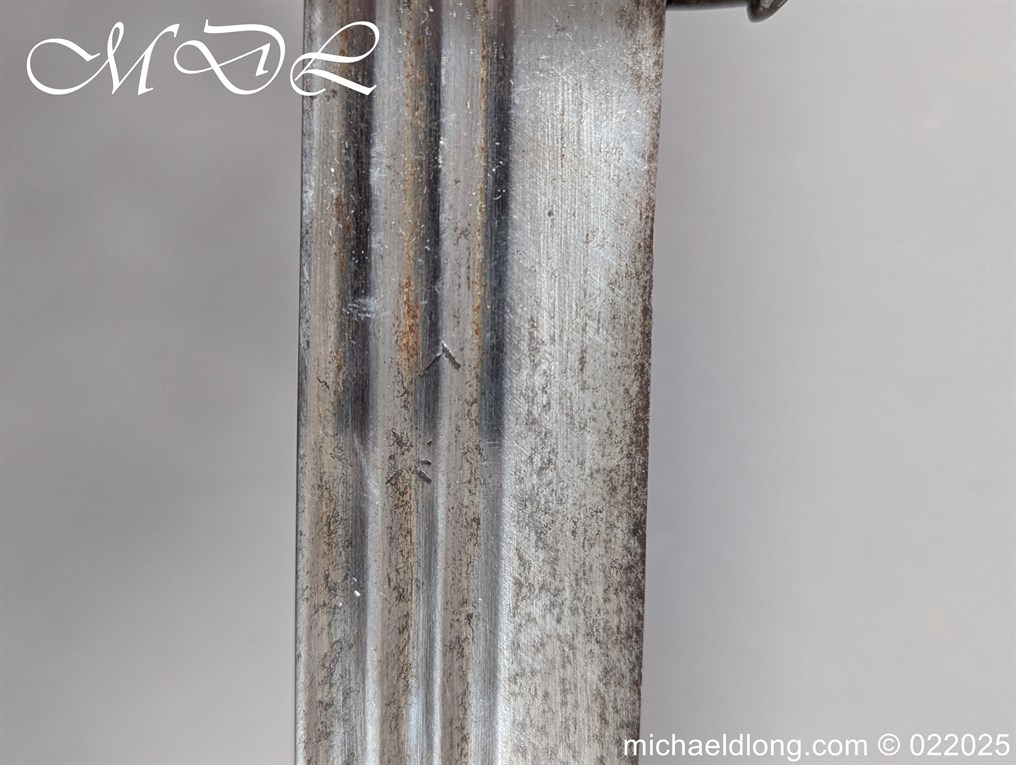
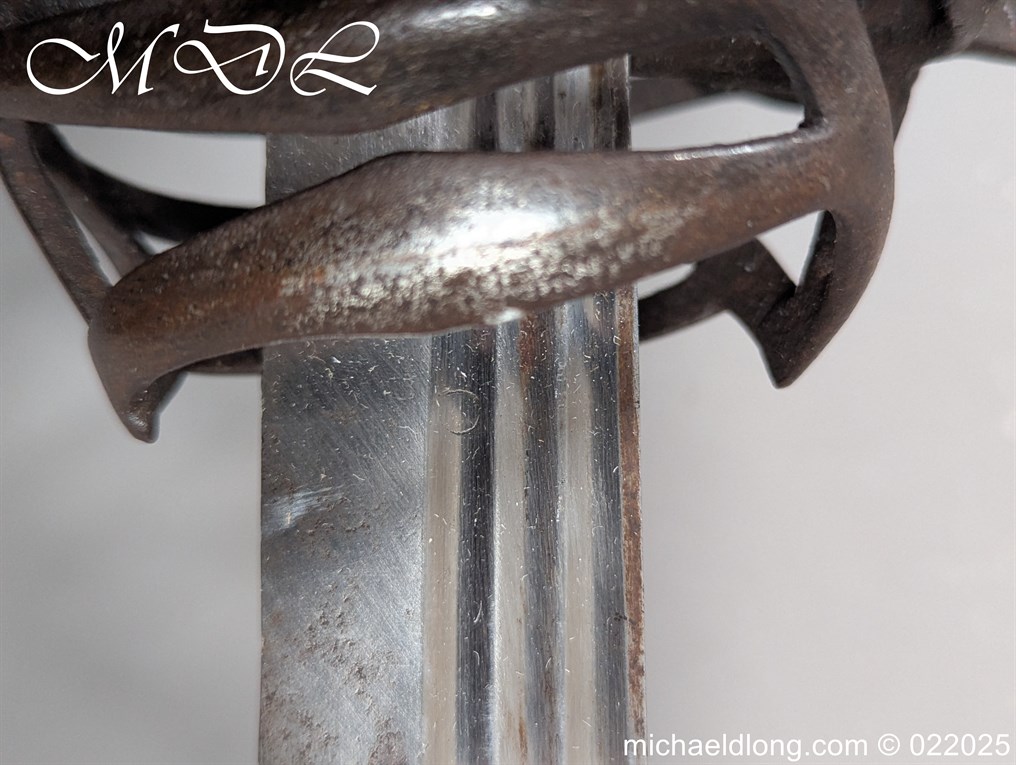
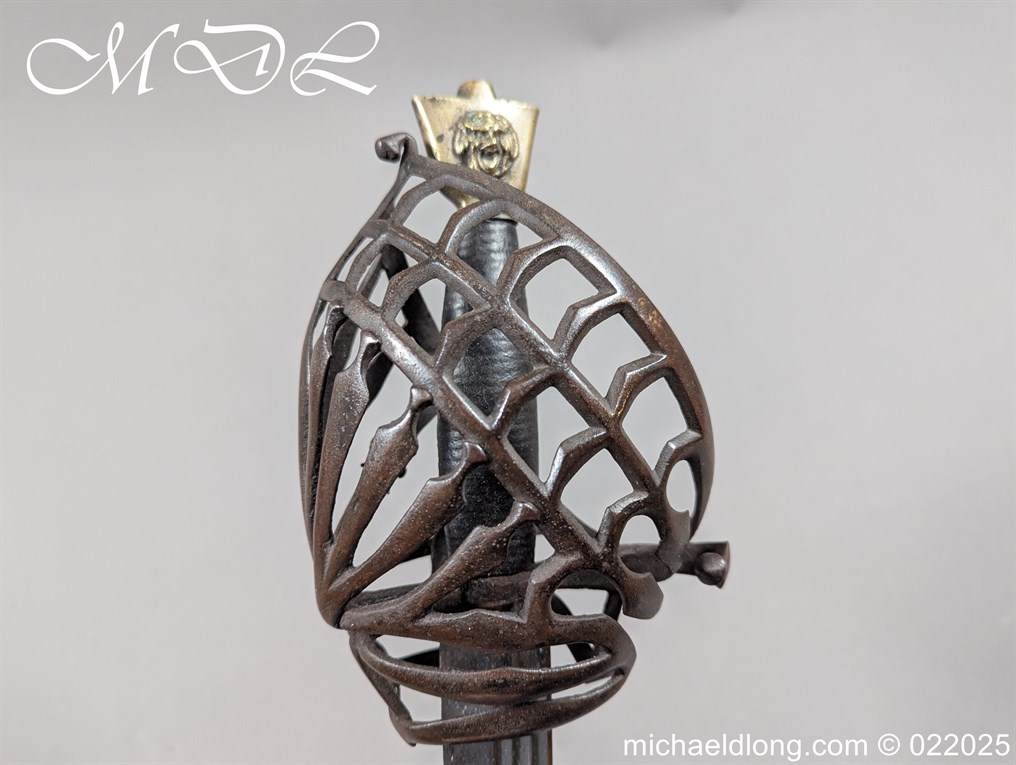
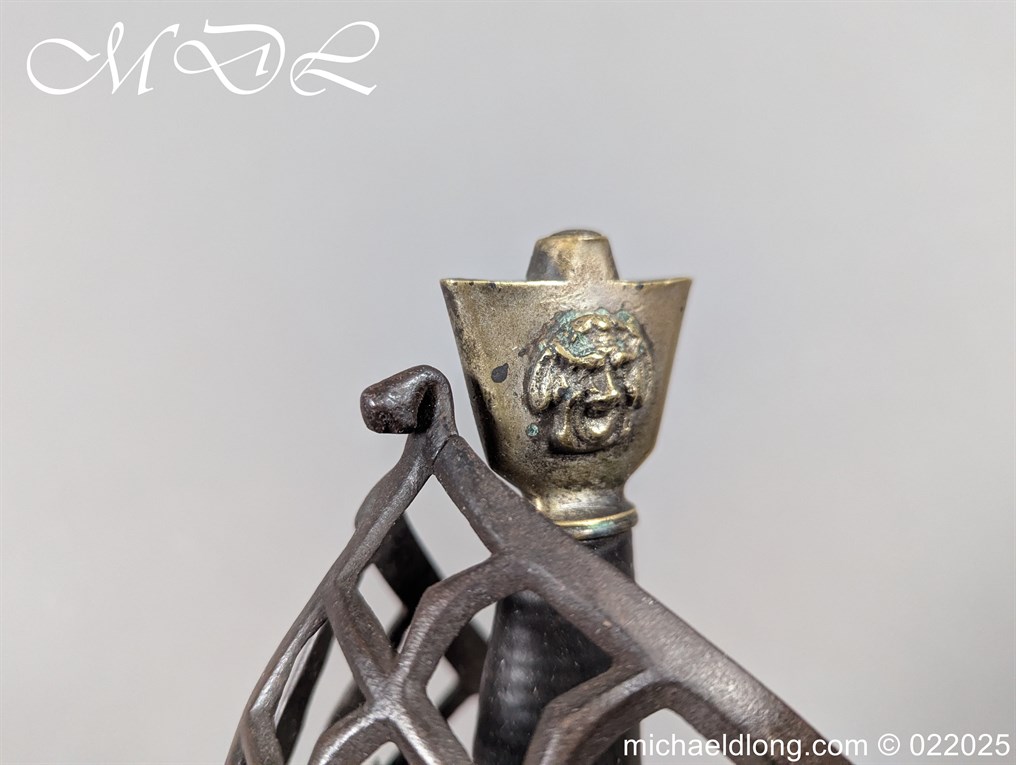
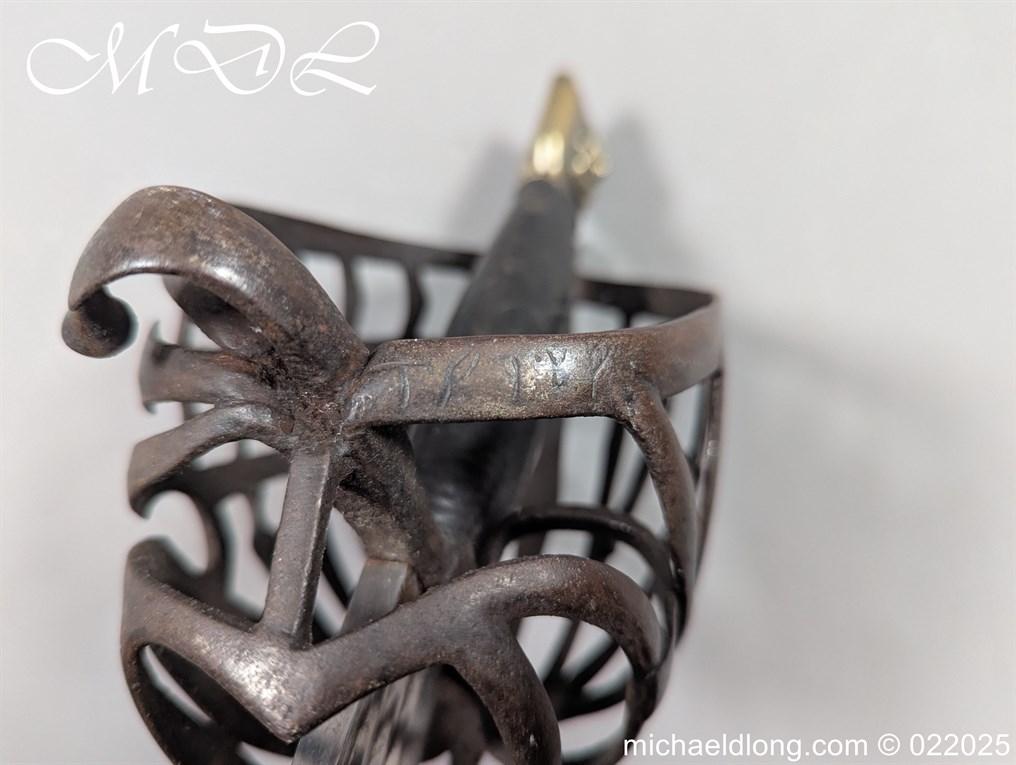
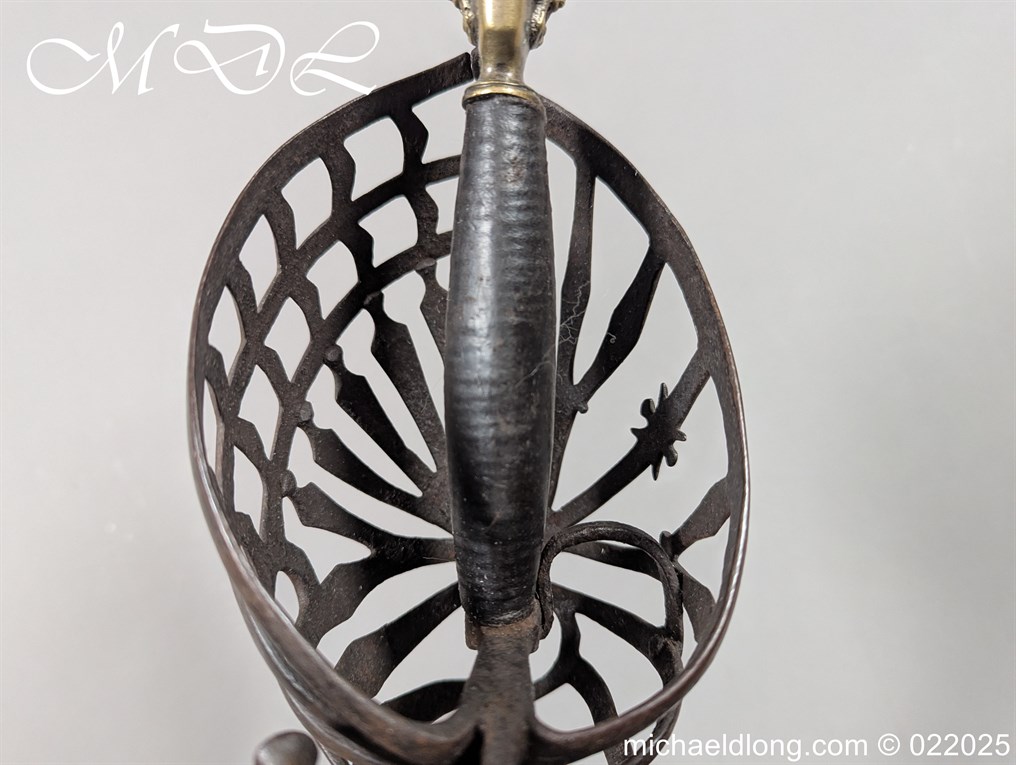
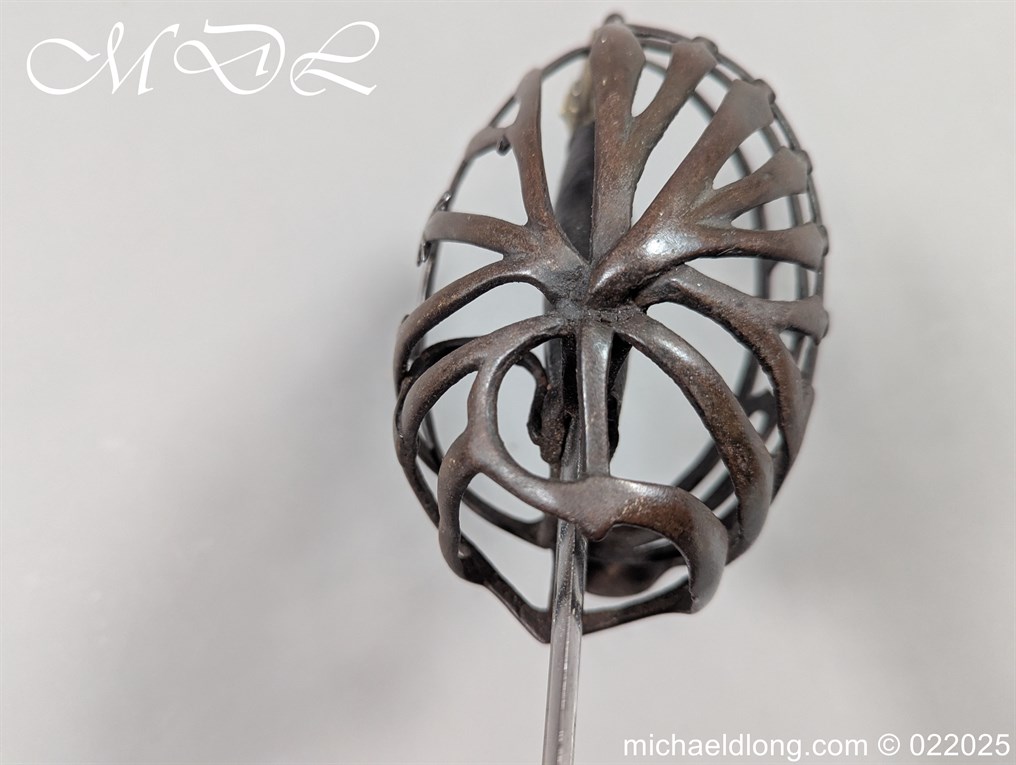
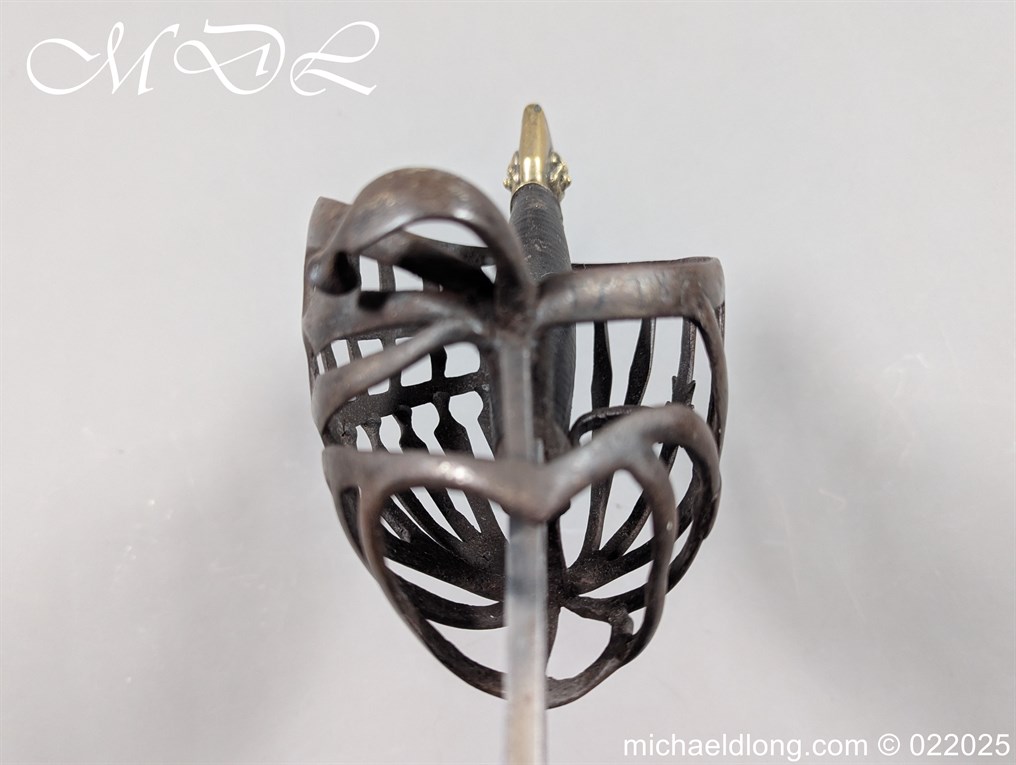
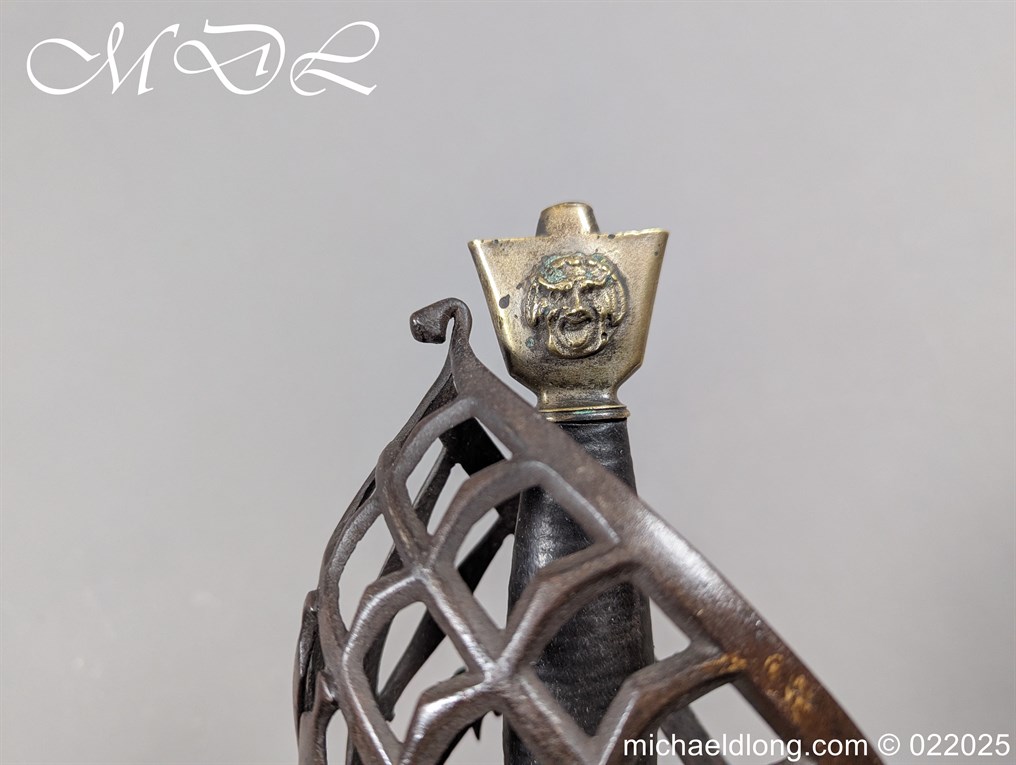
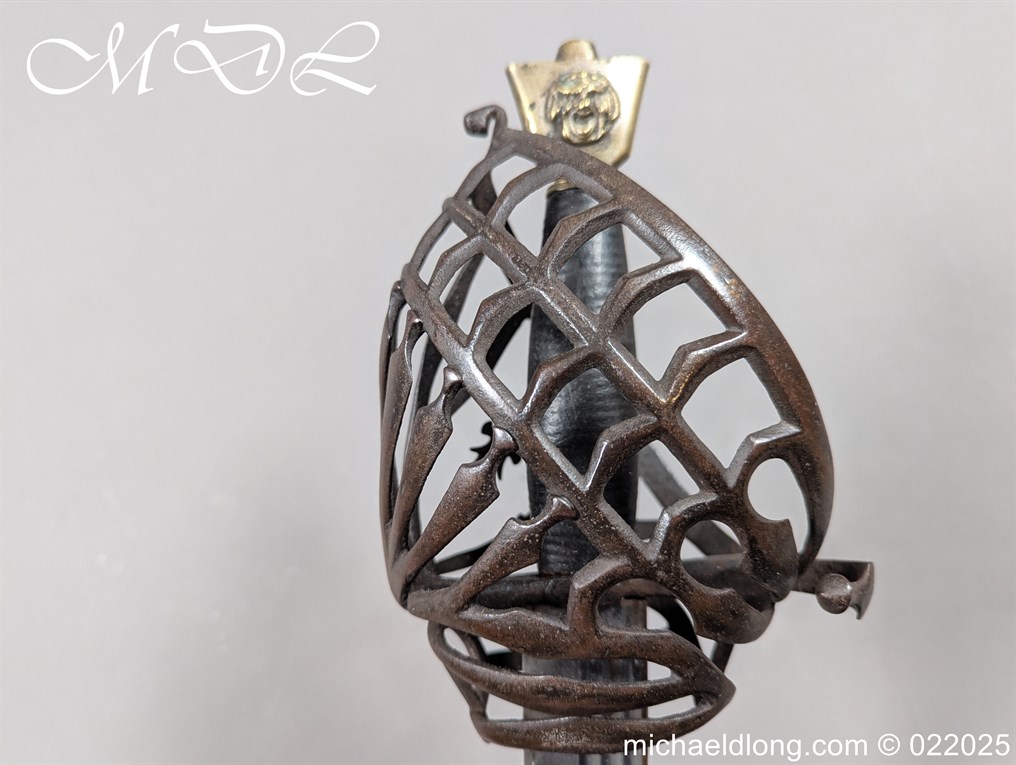
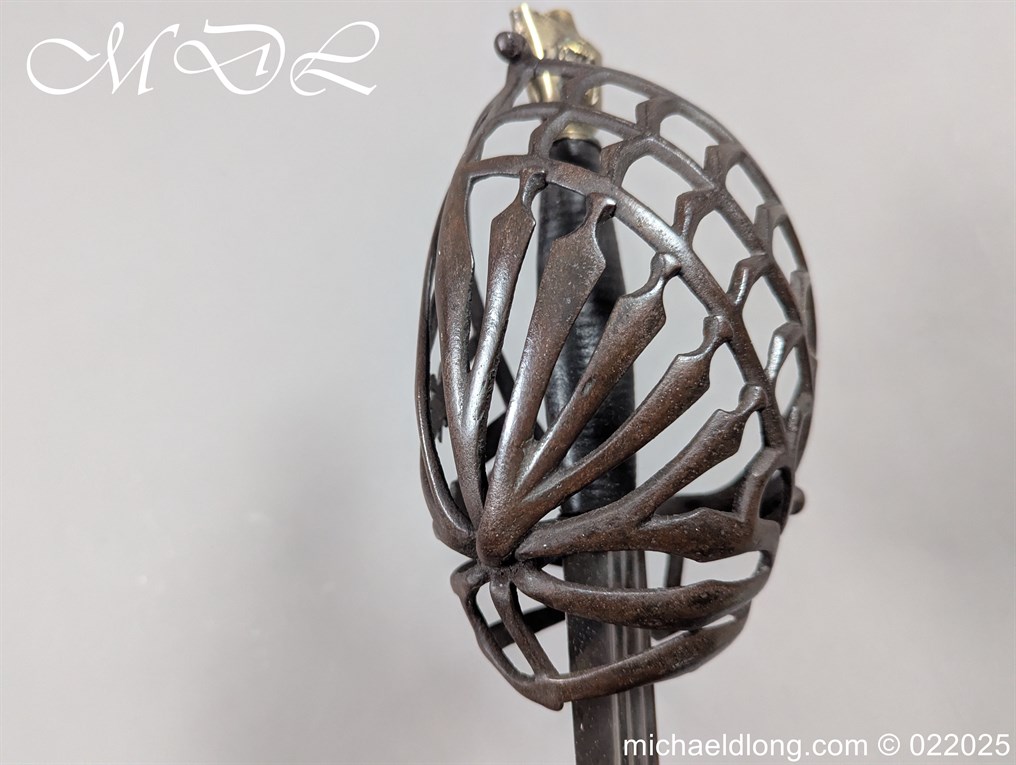
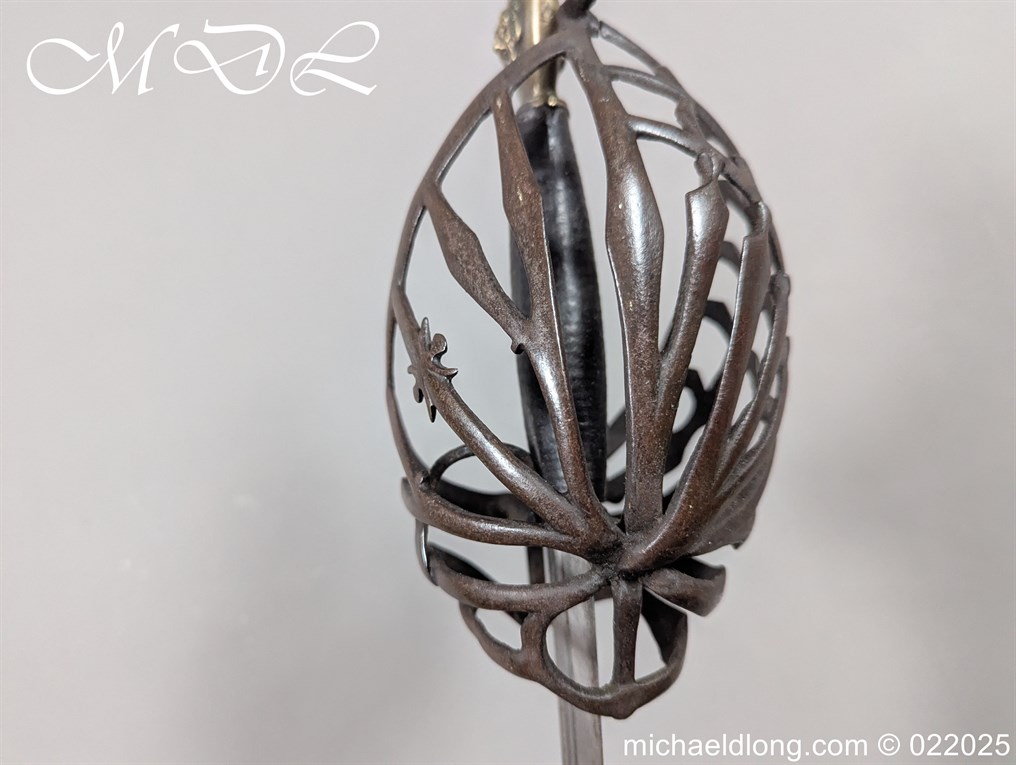
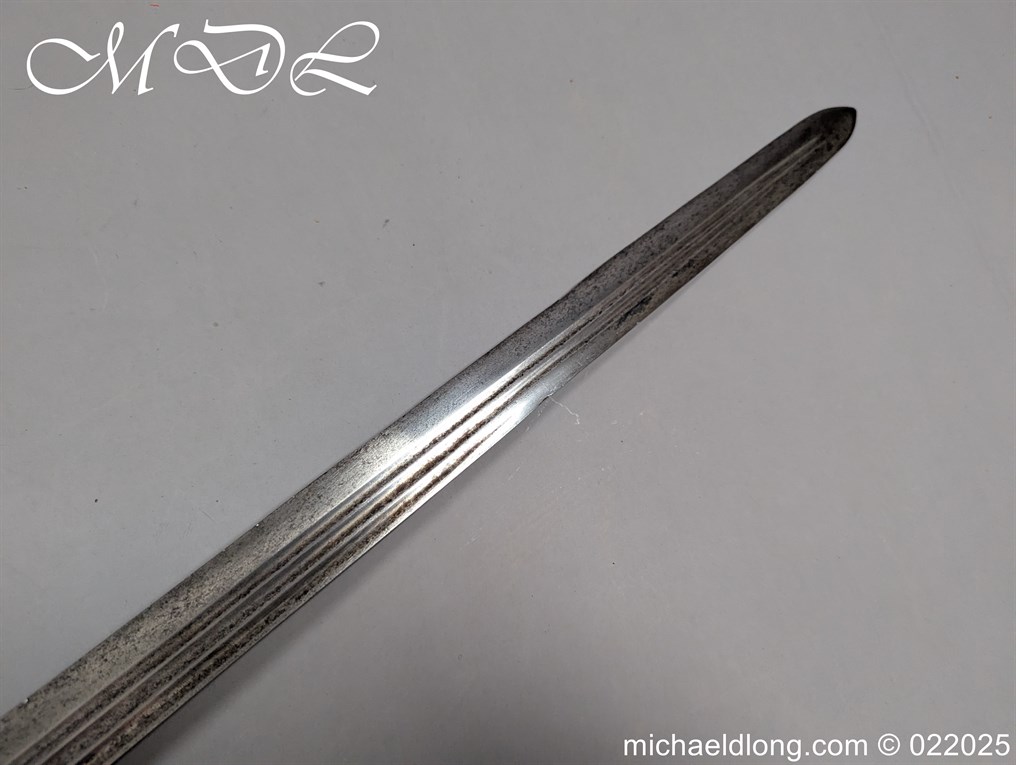
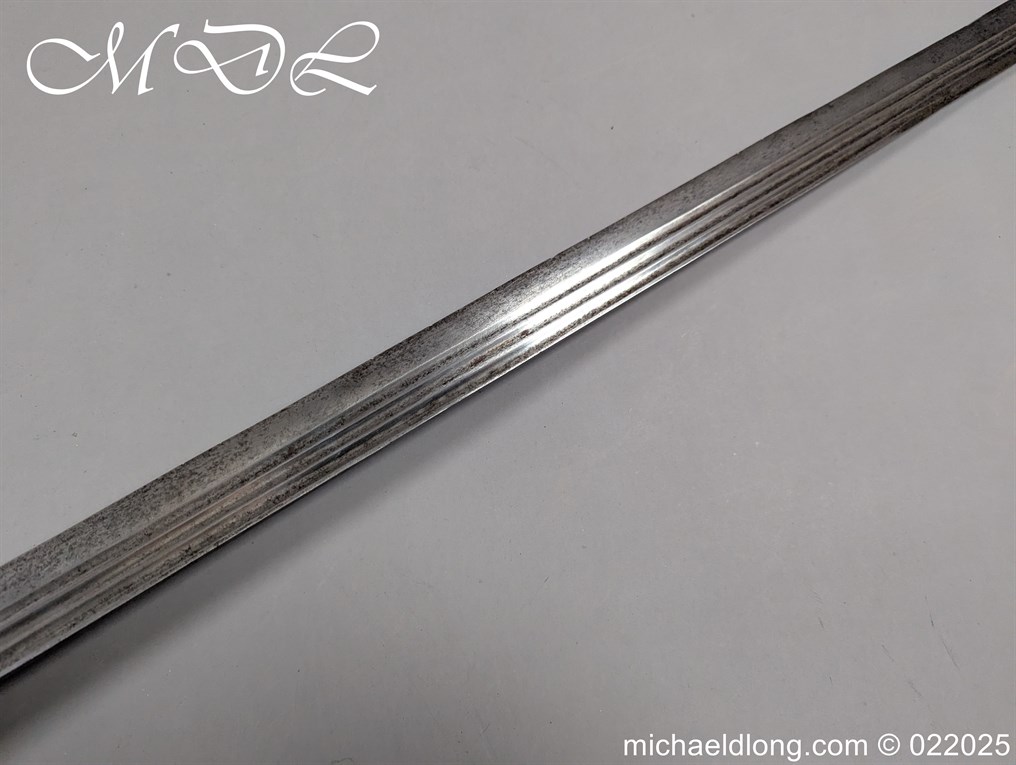
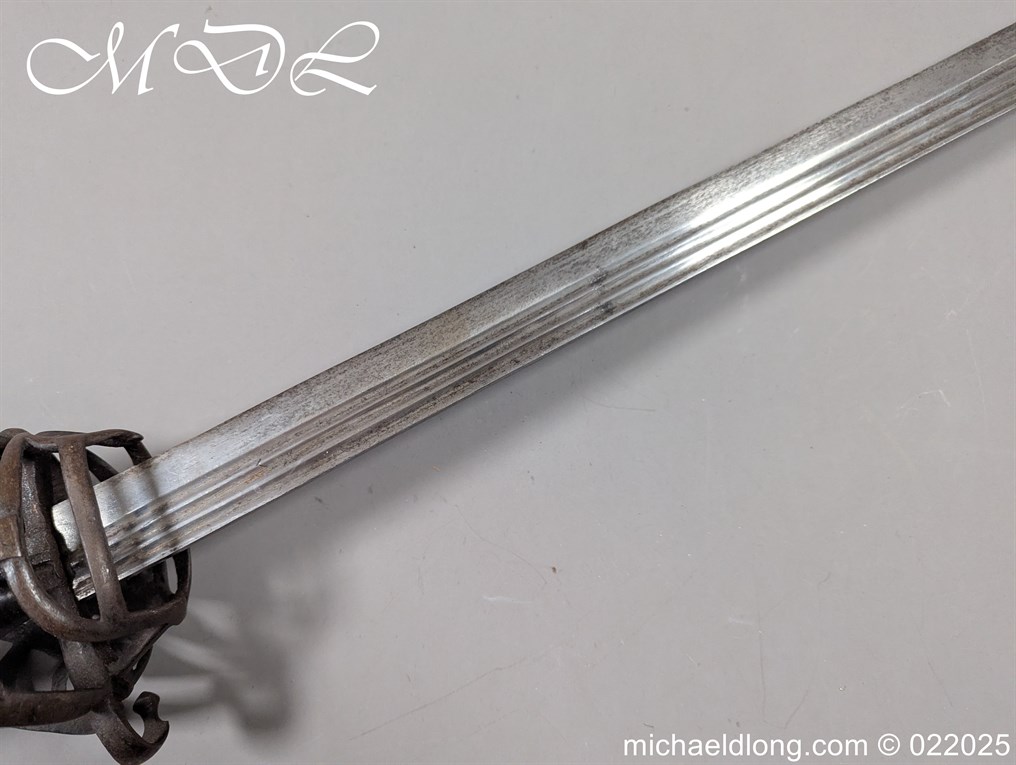
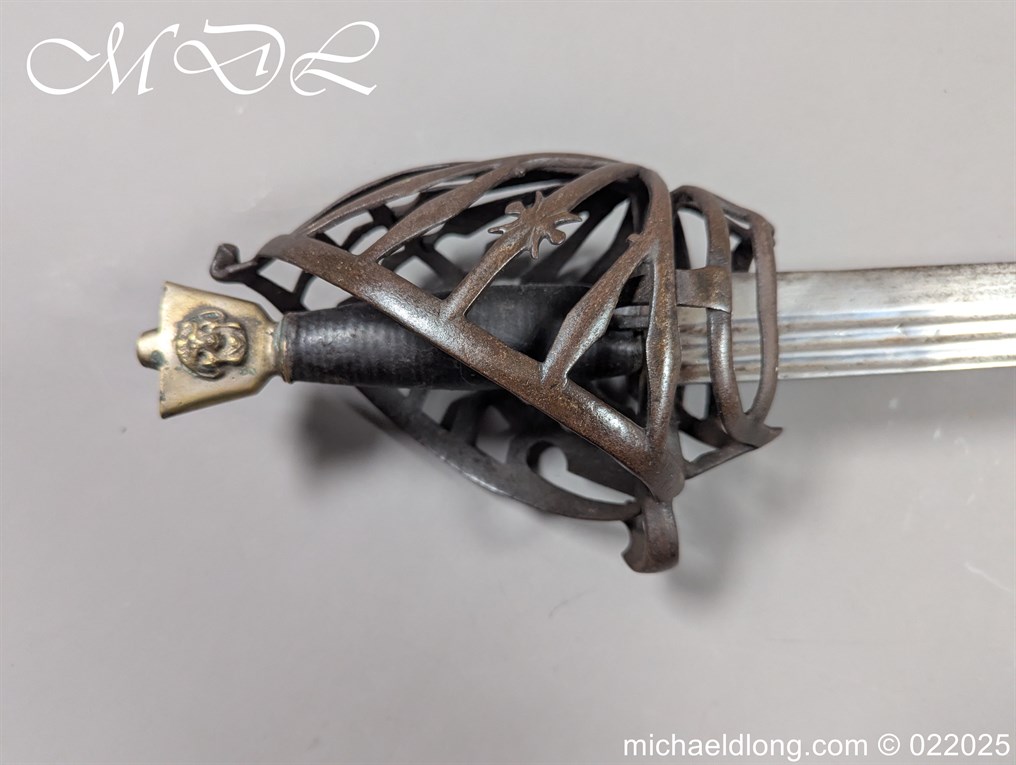
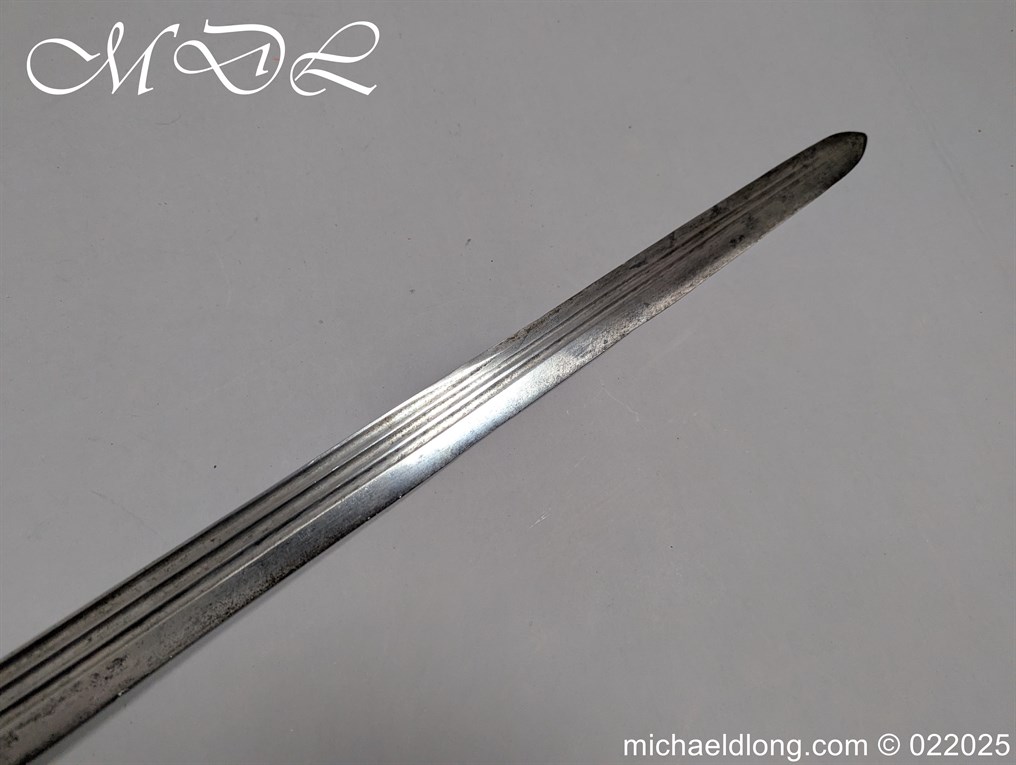
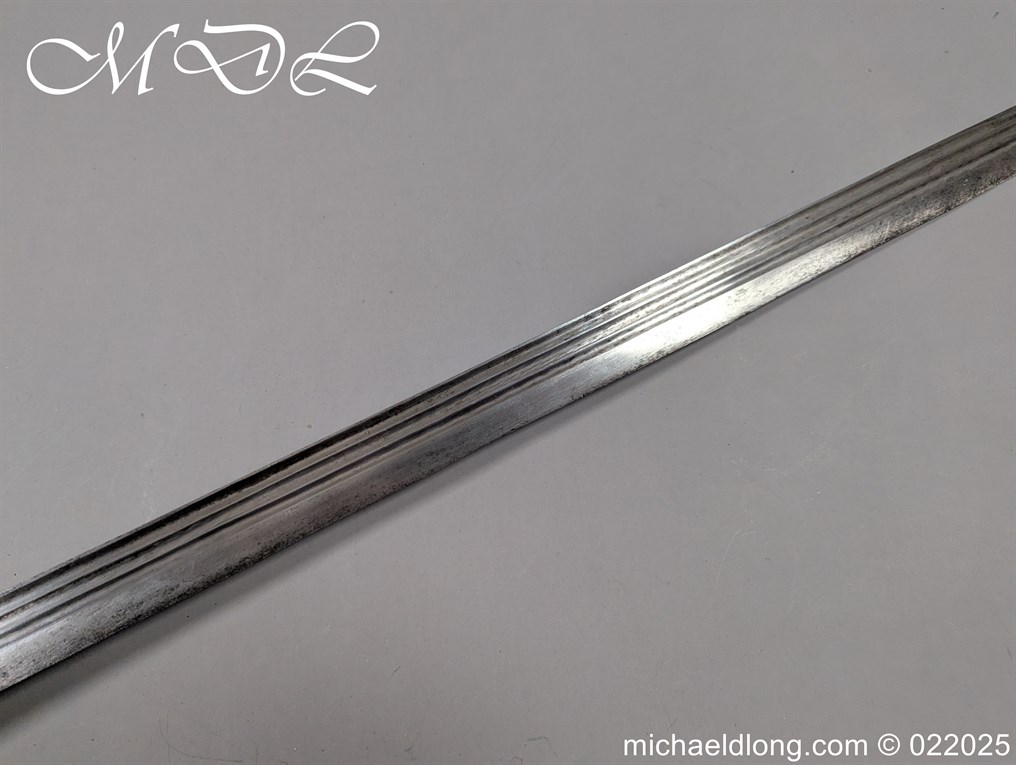
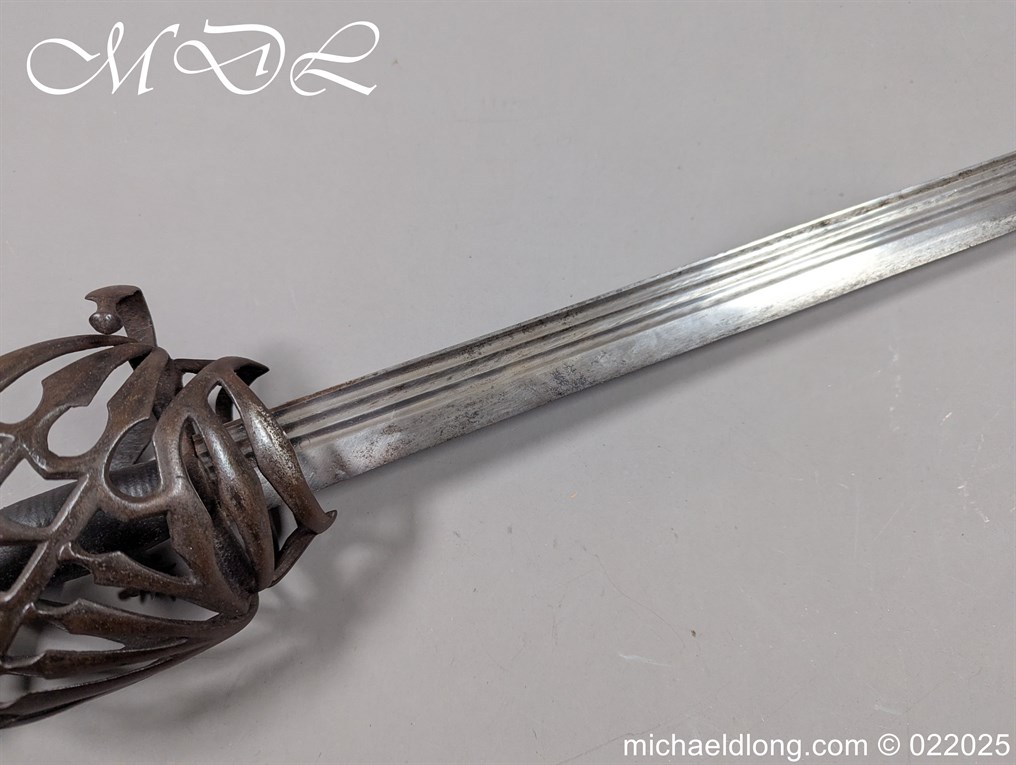
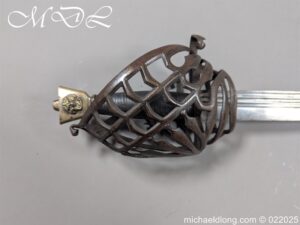
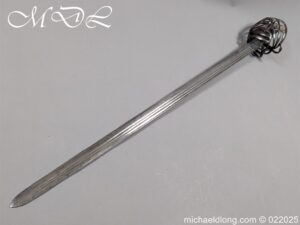
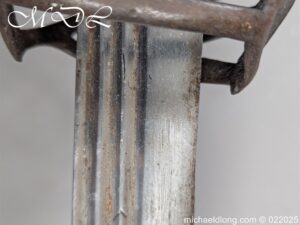
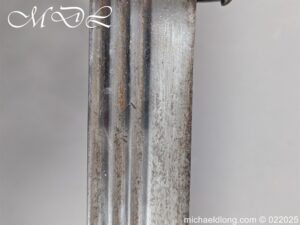
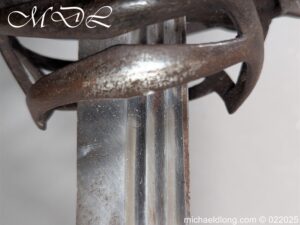
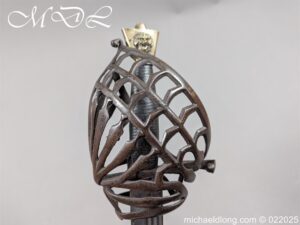
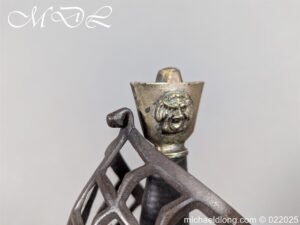
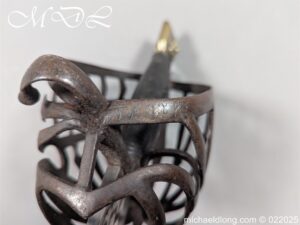
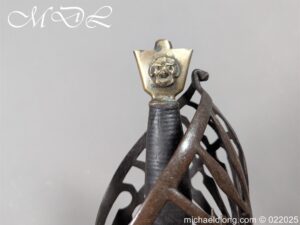
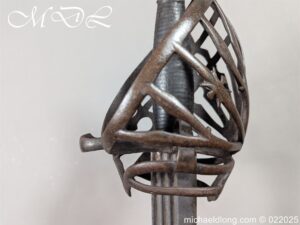
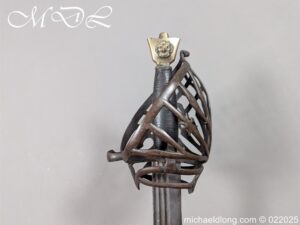
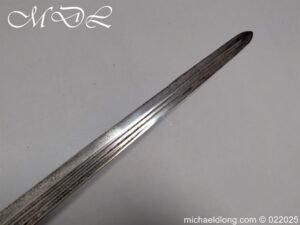
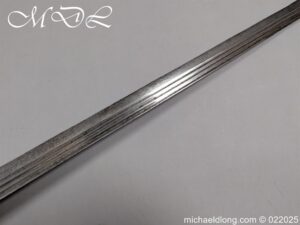
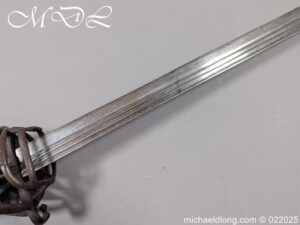
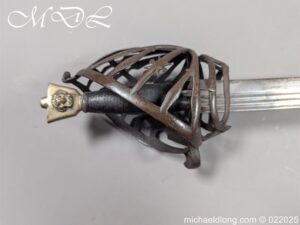
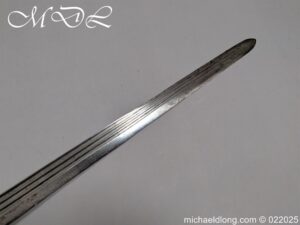
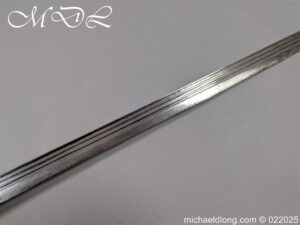
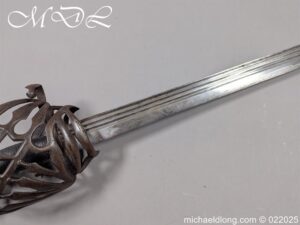
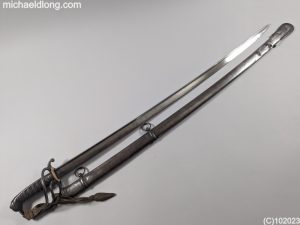
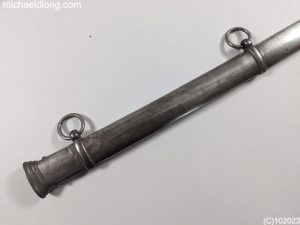
Venetian Schiavona c 1760 super quality with tapering blade struck with a series of small marks within and about the four short narrow fullers on both sides at the forte, the two lower fuller extending to the point. The signed iron basket-guard of characteristic type incorporating thumb-ring and forward-swept rear quillon, brass shield-shaped pommel decorated on both sides with a demon mask cast in relief, and the grip with leather binding. Overall length 108cm the blade 92cm NOtes: These letters are Croatian Cyrillic, used up to the end of XVIIIc and read Grgur (Gregory). It is a very common marking on late XVIIIc. schiavona hilts. You may find a longer version of this inscription: “Grgur majstor” – meaning Gregory artisan – indicating local hilt production in Dalmatia. Gregory is believed to be a local Dalmatian artisan/hiltmaker. So the blades would be imported from a variety of sources and then probably hilted locally according to taste. Stemming from the 16th-century sword of the Balkan mercenaries who formed the bodyguard of the Doge of Venice, the name came from the fact that the Doge’s guard consisted largely of Schiavoni, Istrian and Dalmatian Slavs. The schiavona became popular among the armies of those who traded with Italy and was the weapon of choice for many heavy cavalry. It was popular among mercenary soldiers and wealthy civilians alike; examples decorated with gilding and precious stones were imported by the upper classes to be worn as a combination of fashion accessory and defensive weapon. Doges of Venice were elected for life by the Venetian nobility. The doge was neither a duke in the modern sense, nor the equivalent of a hereditary duke. The title “doge” was the title of the senior-most elected official of Venice.
1 in stock
Related products
20th Century
18th Century
18th Century
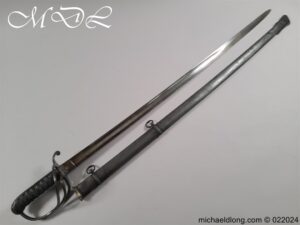
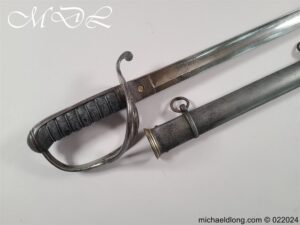


20th Century
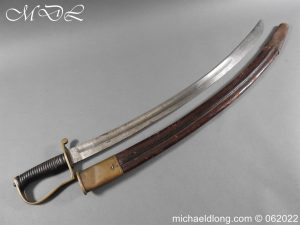
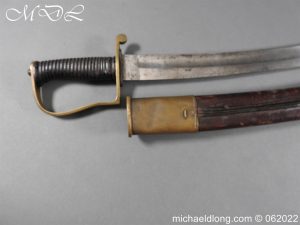
19th Century